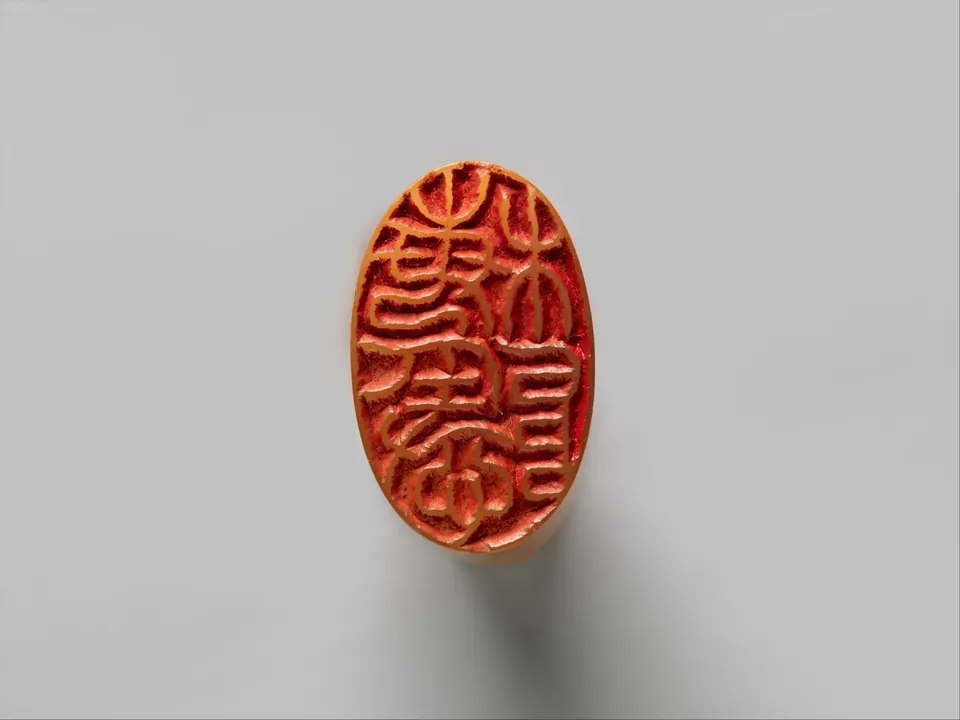
The Metropolitan Museum of Art · 2015.500.6.17 · CC0 public domain · museum page
Learn
Chinese Name Seal - A Guide to Seal Carving
Updated 2026-11-12
A Chinese name seal is your name carved in seal script on a small block of stone, then pressed into red paste and stamped onto paper. Seal carving has a history of more than two thousand years in China, and fine seals bearing personal names, official titles or poetic phrases have long been collected and admired as a form of calligraphy[1]. In 2009 the art of Chinese seal engraving was inscribed on UNESCO’s Representative List of the Intangible Cultural Heritage of Humanity[2]. Designing a seal comes down to three choices: red text or white text, how the characters share the face, and what stone to cut. This guide takes them one at a time and ends with a Chinese name seal of your own.
What a seal is for
- Signing and owning: artists and authors used seals to sign art, letters and official documents, and collectors stamped the works they owned[3].
- The script: when China was first unified in the third century BCE, the First Emperor of Qin had his minister Li Si work out a standard script, small seal script (xiǎozhuàn), with "lines of even thickness and many curves and circles"[5]. Seal carvers still use it.
- The craft: UNESCO describes carvers sketching the design on paper and carving it into stone in reverse with a knife; on so small a surface every line counts, and the work rests on a grounding in calligraphy[2].
Red text and white text: the first decision for a Chinese name seal
A seal prints in one of two ways[3]:
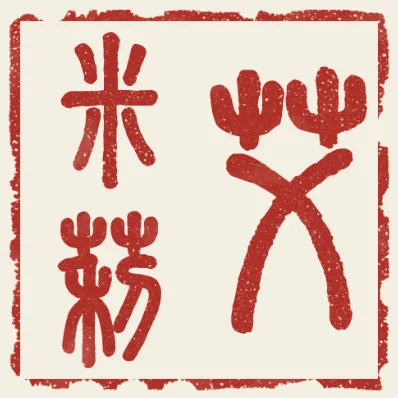
- Red text (朱文, zhūwén): the characters stand up from the stone and print red, with the background left pale.
- White text (白文, báiwén): the characters are cut into the stone, so the print is a red block with the characters in white.
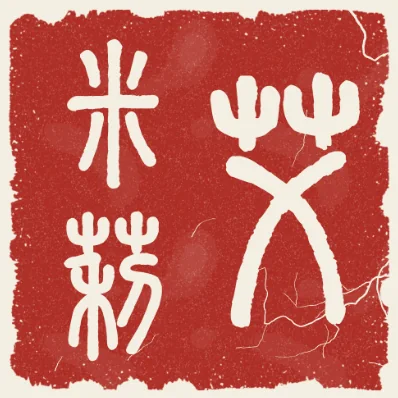
Neither is right or wrong. As a rule of thumb, characters with many strokes can look crowded in thin red text and fuller in white text, while simple characters look crisp in red text. The quickest way to decide is to make both and compare.
Layout: fitting a name into a small square
Layout (章法, zhāngfǎ) is how the characters share the face. One rule comes first: the characters on the stone are reversed so that they print the right way round, and any asymmetrical character must be carved backwards[6]. The YinSeal seal studio shows both sides: the reversed face of the stone on the left, the print on the right.
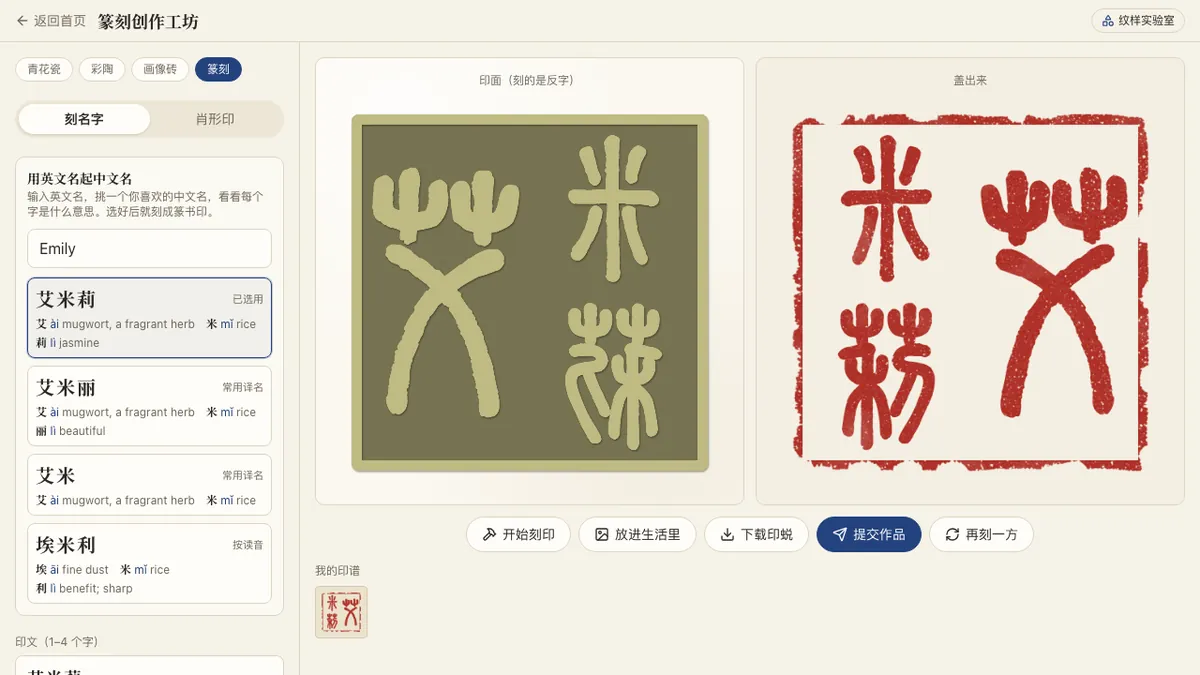
The layouts in the studio:
- One character fills the whole face.
- Two characters sit side by side on square and round seals, or one above the other on tall and oval seals.
- Three characters: one tall character on the right (often the surname), two stacked on the left. That is how 艾米莉 is laid out.
- Four characters in a 2 × 2 grid, read down the right column first.
Then check three things: even spacing between characters and border, whether simple characters hold their share of the space, and whether a red-text border matches the weight of the strokes.
Stones and paste for a Chinese name seal
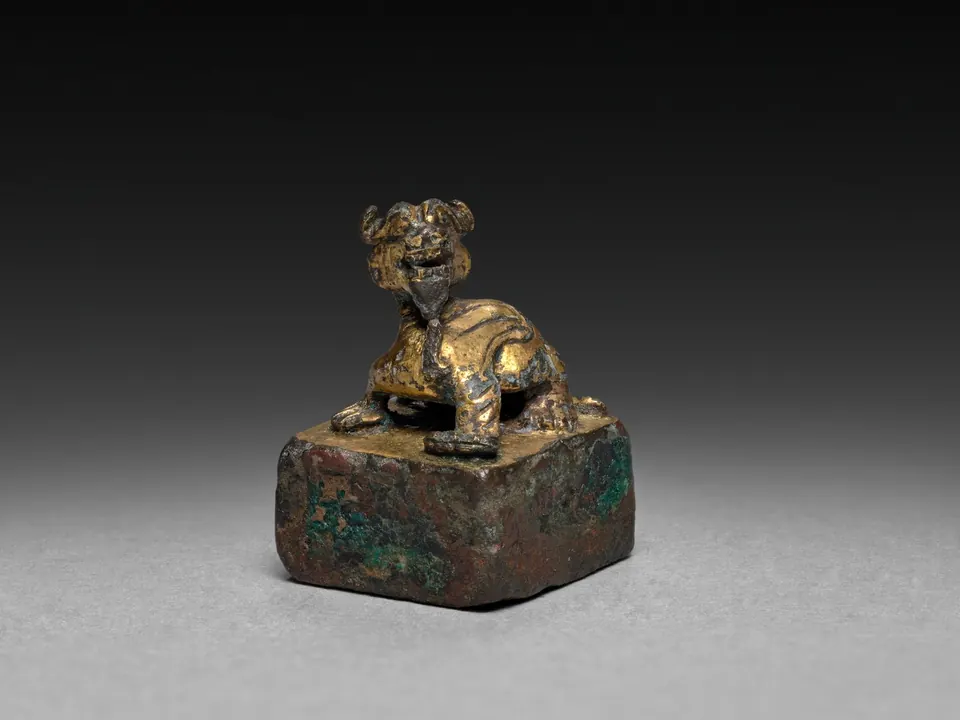
- Soft stones: seal carving became an important branch of literati art in the late sixteenth century, when artists began using soft stones; soapstones from Fujian and Zhejiang quickly became the preferred material[7].
- Named stones: the Met’s collection records Shoushan, Qingtian and Balin "chicken-blood" soapstone, the last "particularly prized for making seals" for its deep red veining[8]. Jade and tianhuang stone are among the most coveted materials[4].
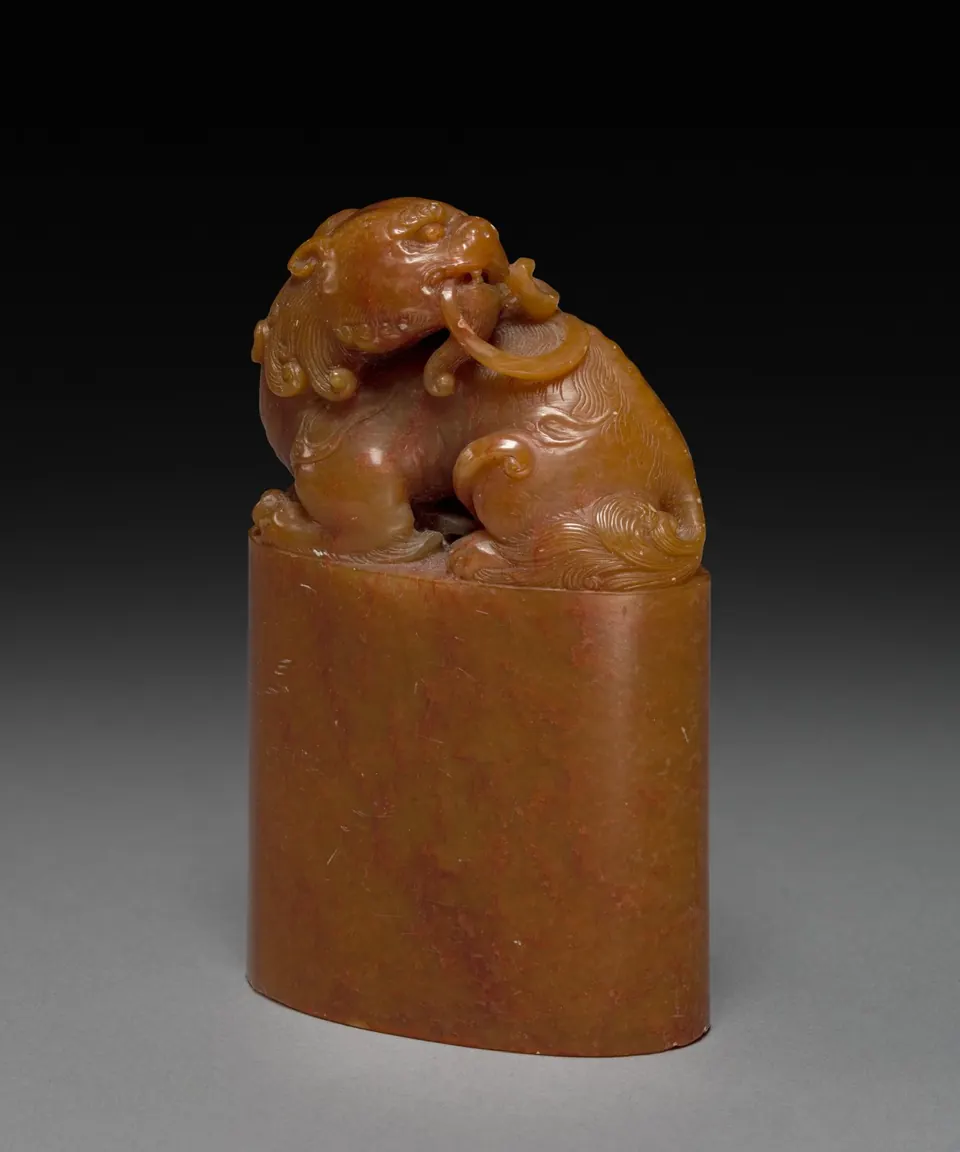
- A tianhuang seal: Cleveland’s Qianlong-period seal with a reclining qilin has an elliptical face with "three characters in archaic script enclosed by two dragons"[9].
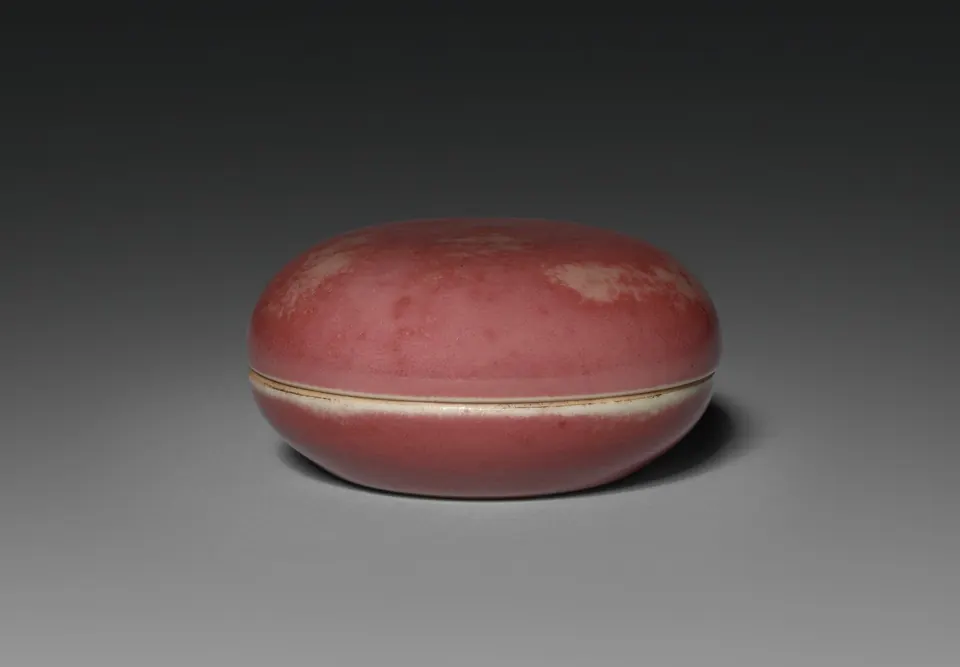
- Seal paste: mostly red, made "from powdered cinnabar, moxa-leaf fiber, and dehydrated vegetable oil", and artists preferred porcelain containers for it[10]. Cinnabar is mercury sulfide[11].
Stamping: where the seal goes
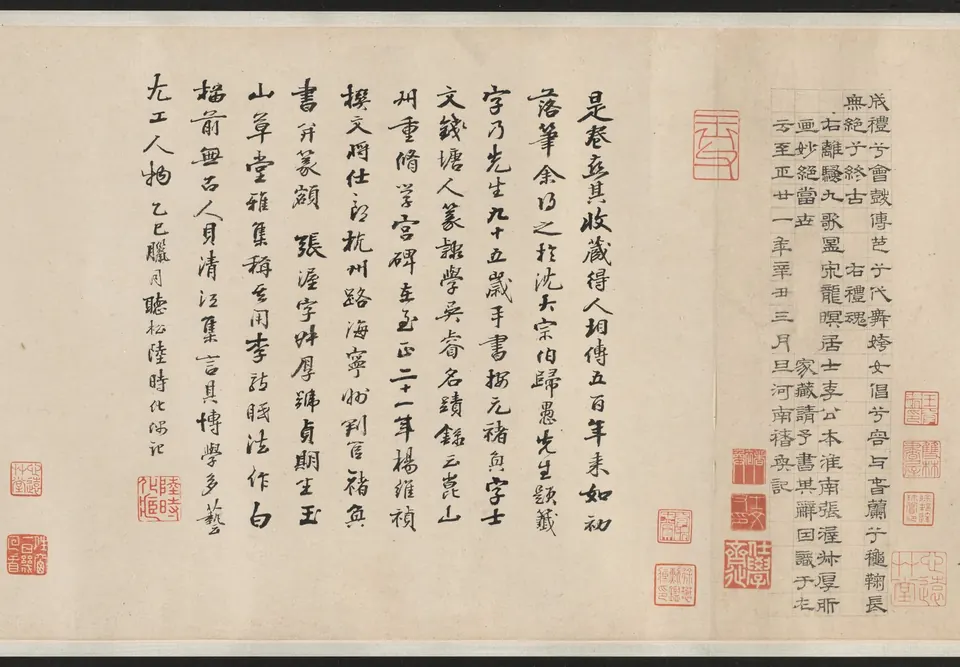
On a Chinese painting or piece of calligraphy you will find the seal of the artist and the seals of the people who owned it[4]. Cleveland’s handscroll Nine Songs, dated 1361, carries seven colophons and 47 seals, 28 of them belonging to the calligrapher Chu Huan[12].
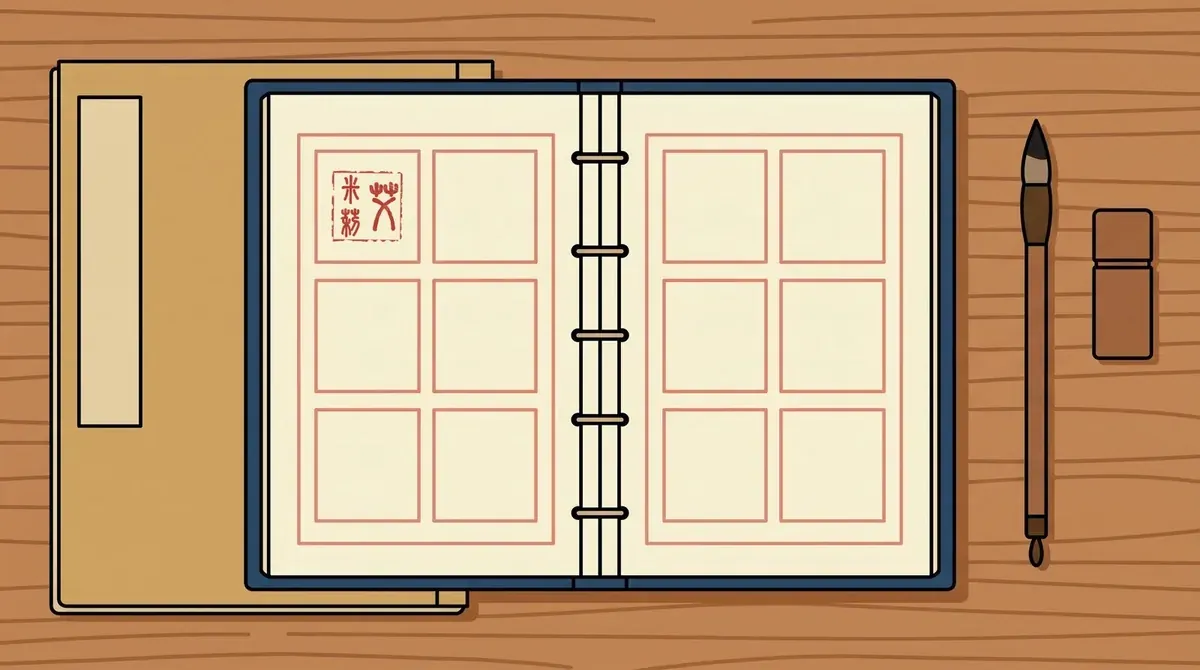
In YinSeal, every Chinese name seal you carve goes into your seal album. Finish a blue-and-white vase, a painted pot or a Han brick, choose "Stamp my seal", and your Chinese name seal lands in the corner, the way a painter signs a work.
Make a Chinese name seal: Emily as an example
- Find a Chinese name: in the seal studio, type an English name such as Emily. You get several Chinese names, such as 艾米莉 and 艾米丽, with the pinyin and meaning of each character.
- Choose a shape: square, tall, round, oval or gourd, or a Qin-style face with grid lines.
- Red or white text: make both and compare.
- Carve and download: press carve, then download the impression or keep it in your album.
- Stamp and place it: stamp it on your work, or place it in the seal album or desk scene.
Have someone who reads Chinese check the characters before you use them. And remember that this is an artistic name seal for your art, not an official seal and not a legal signature.
Price
Every studio can be tried first, with a watermark on the result; taking a work home without it is $4.90. To teach, buy a lesson ($12) or the annual pass ($59 a year: every lesson, and every work without the watermark). New accounts get 60% off in their first hour. See pricing
Font and copyright
- Seal-script glyphs: Chongxi Seal Script by Academia Sinica, licensed CC BY-ND 3.0 TW, which requires attribution and forbids changing the glyphs[13]. YinSeal only scales each glyph to fit its cell.
- Museum photographs are CC0 open-access images from the Cleveland Museum of Art and The Metropolitan Museum of Art.
Chinese name seals: common questions
- Can I get a Chinese name seal for an English name?
- Yes. The English name is first written in Chinese characters by sound, for example Emily as 艾米莉, and those characters are then carved in seal script. Ask someone who reads Chinese to check the characters before you use them.
- What is the difference between red-text and white-text seals?
- Look at the print. Red characters on a light ground, with the background cut away, is red text (zhuwen). A solid red block with the characters showing white is white text (baiwen). In red text the characters stand up from the stone; in white text they are cut into it.
- Is seal carving the same as seal design?
- Seal carving is the whole craft: drawing the design, carving it in reverse and stamping it. Seal design is the first step: red or white text, which glyphs, and how the characters share the face. In YinSeal you design and stamp digitally; no knife needed.
- Can I use my seal as a signature or an official stamp?
- No. A YinSeal seal is an artistic name seal for your artwork. You can download the impression as an image, but it is not an official seal or a legal signature.
- Which seal-script font does YinSeal use?
- Chongxi Seal Script from Academia Sinica, licensed CC BY-ND 3.0 TW: commercial use is allowed with attribution and without modifying the glyphs. We credit it in the studio and on this page.
A good seal shows its skill in a square the size of a fingertip: decide on red or white text, balance the layout, choose a stone. Then put your own name on it and make your first Chinese name seal.
Type an English name to get Chinese names, then carve one in red or white text.
Sources
- The Metropolitan Museum of Art, Album of Seal Carvings by Fu Baoshi (Internet Archive copy, 2024-11-12) (read 2026-11-11)
- UNESCO Intangible Cultural Heritage, Art of Chinese seal engraving (2009) (read 2026-11-12)
- Virginia Museum of Fine Arts, Create a Chinese Seal (Internet Archive copy, 2025-03-18) (read 2026-11-11)
- Art Gallery of Greater Victoria, 10 Things To Know About Chinese Seal Stones (read 2026-11-11)
- Encyclopaedia Britannica, Chinese calligraphy (Internet Archive copy) (read 2026-11-11)
- Asian Art Museum (San Francisco), Make Your Own Seal Script Stamp (read 2026-11-11)
- The Metropolitan Museum of Art, Pair of Square Seals with Cloud and Rock Pattern, 2007.52a, b (read 2026-11-11)
- The Metropolitan Museum of Art, Seal, 2005.411.325a, b (read 2026-11-11)
- Cleveland Museum of Art, Seal with Reclining Qilin, 1952.494 (read 2026-11-11)
- Smithsonian National Museum of Asian Art (Freer), Seal paste container and stand, F1980.89a-f (read 2026-11-11)
- Encyclopaedia Britannica, Cinnabar (Internet Archive copy) (read 2026-11-11)
- Cleveland Museum of Art, Nine Songs, 1959.138 (read 2026-11-11)
- Academia Sinica, Chongxi Seal Script (崇羲篆體) licence (read 2026-11-11)